Top Stories
Mining
Stakeholders rebuff govt. plans to sell RBM gold
July 12, 2026 / Wahard Betha
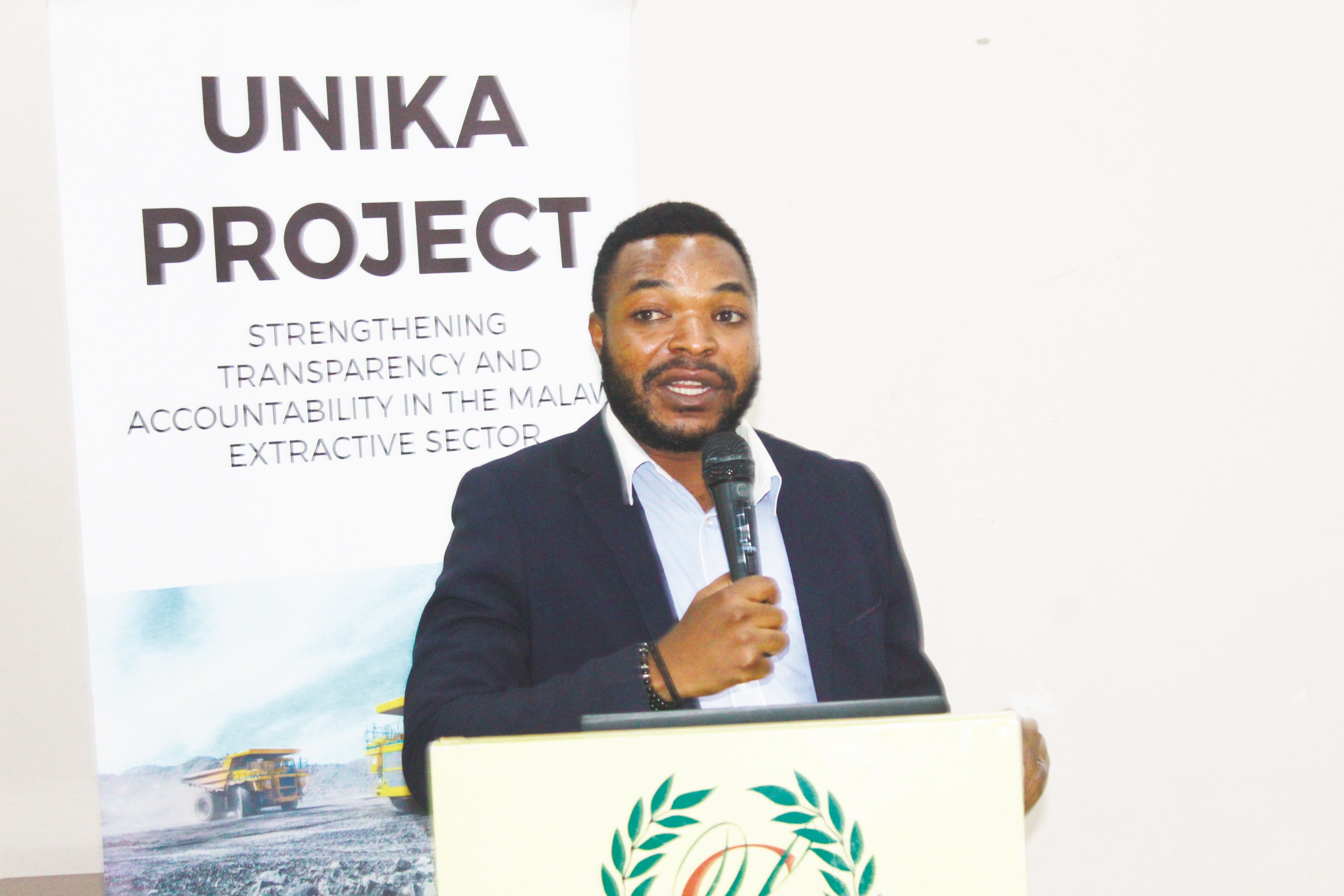
A cross-section of stakeholders in the mining sector have expressed concern over government’s intention to sell gold it has bought from Artisanal and Small-scale Miners (ASMs) through the Export Development Fund (EDF), a subsidiary of the Reserve Bank of Malawi (RBM).
Minister of Information and Communication Technology Shadric Namalomba announced that Government is selling gold that is being reserved by RBM to utilize the proceeds from the sale to top up on fuel purchases in light of the acute shortage of foreign exchange, which has resulted in a fuel crisis.
Namolomba made the announcement after Centre for Democracy and Economic Development Initiatives (CDEDI) Executive Director Silvester Namiwa had touched on the issue at a Press Conference in Lilongwe wondering why the country is failing to acquire basic needs including fuel despite reserving the gold and having the potential for increased production from ASM gold mining.
But mining expert Ignatius Kamwanje advised the Government to look for other alternatives that could bring forex rather than selling the available gold which is less than a tonne.
“Gold reserves are important for a country as a means of hedging against inflation. The problems arising from selling this gold are that it may push inflation upwards since all the gold will be depleted, may lead to financial independence loss on debt backed assets, and undermine the ability of central bank to gain investor confidence in managing long term risks,” said Kamwanje.
Kamwanje also said if the gold is sold, the country will make loses considering its tactic of buying gold at a higher price than the international market price just to offset smuggling by beating black market rate.
In a separate interview, Coordinator for Chamber of Mines and Energy Grain Malunga also condemned the idea to sell the gold saying it is the only opportunity to use the mineral to strengthen the country’s local currency.
“Gold is supposed to cushion the strength of the local currency. Ideally it should not be sold. We need to build gold reserves. Gold reserves are crucial for a country's economic stability, serving as an asset against inflation and currency devaluation. We need to diversify our central bank reserves, boost confidence in the national currency, and provide high liquidity during financial crises like the one we have,” he said.
Programs Coordinator for Natural Resources Justice Network (NRJN) Joy Chabwera also disagreed with the move saying the challenge that the country has is not just about selling assets but using them wisely to secure long term economic resilience.
“Instead of rushing to sell, the gold could be used more strategically as bargaining power, for example, RBM could leverage the reserves to negotiate fuel supply contracts, collateralize the gold for short term forex credit lines, or use it to strengthen confidence in Malawi’s external reserves position,” he said.
He added that through the strategy, the gold would have served as a stabilizing asset while the country explores alternatives for accessing fuel and forex, rather than liquidating at a potential loss.
EDF reported gold purchases totaling 620kgs at a total cost of MK175 billion as of April 9, 2026.
Share this:
Leave a Comment
Comments
Mining & Trade Review News
Agribusiness News
Subscribe to Newsletter
Rehabilitation:
The establishment of a stable and self-sustaining ecosystem, but not necessarily the one that existed before mining began. In many cases, complete restoration may be impossible, but successful remediation, reclamation, and rehabilitation can result in the timely establishment of a functional ecosystem.
Archives
Remediation:
The cleanup of the contaminated area to safe levels by removing or isolating contaminants. At mine sites, remediation often consists of isolating contaminated material in pre-existing tailings storage facilities, capping tailings and waste rock stockpiles with clean topsoil, and collecting and treating any contaminated mine water if necessary.
Stakeholders Logos